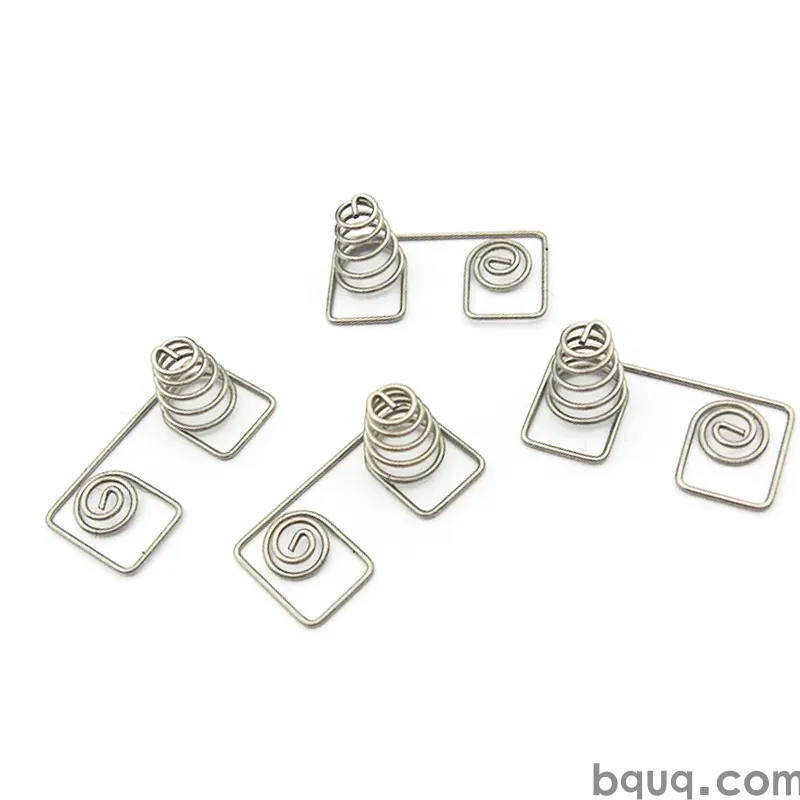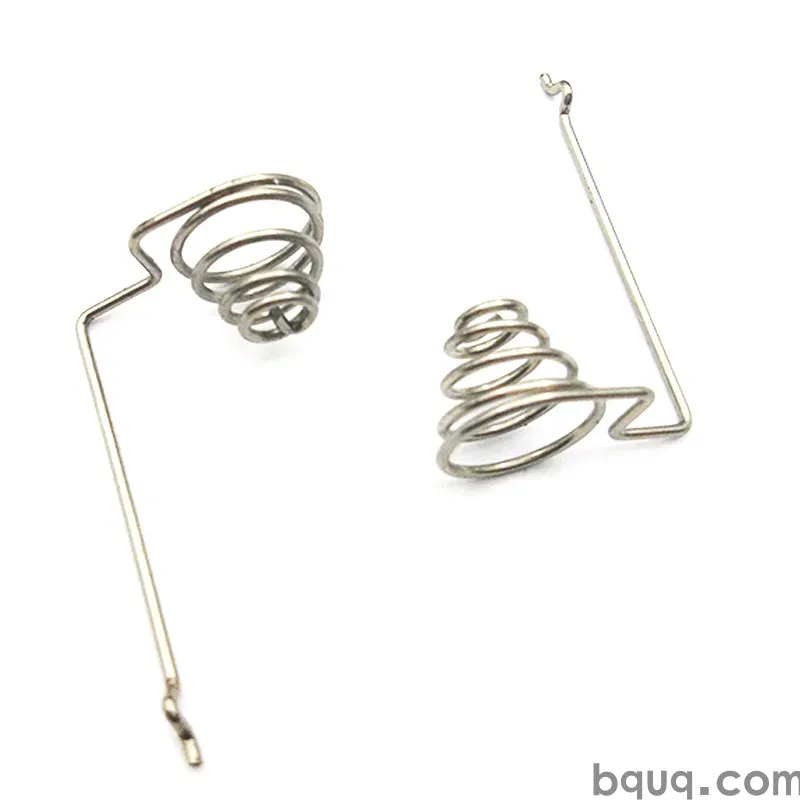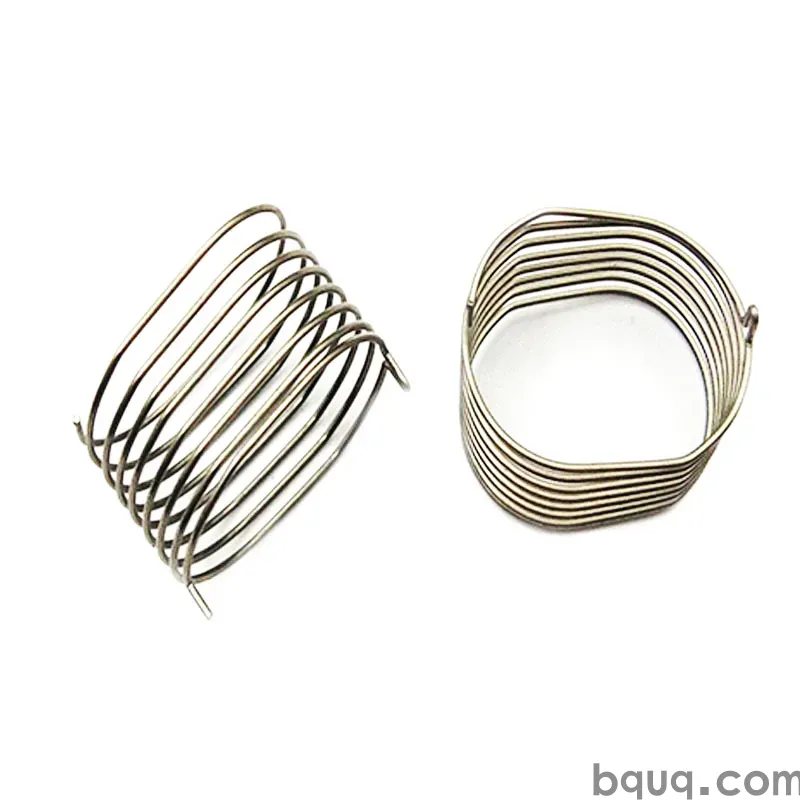
La relaxation fait perdre la charge au ressort ; la fatigue le fissure. Symptômes différents, solutions différentes. BQUQ (ISO9001, Dongguan) conçoit et teste la fatigue des ressorts.
Relaxation ou Fatigue des Ressorts : Deux Défaillances, Deux Solutions de Conception Distinctes
La relaxation et la fatigue sont les deux modes de défaillance des ressorts, et ils sont opposés : la relaxation est un ressort qui perd lentement sa force en restant immobile sous charge, la fatigue est un ressort qui casse après de nombreux cycles de mouvement. Si un ressort ne pousse plus assez fort, traitez-le pour la relaxation — réduisez la contrainte, préréglez-le, refroidissez-le. Si un ressort se brise en morceaux, traitez-le pour la fatigue — réduisez l'amplitude de contrainte, éliminez les dommages de surface, ajoutez un grenaillage de précontrainte.
Les concepteurs appliquent systématiquement la mauvaise solution car les deux défaillances se manifestent par « le ressort a cédé » et les deux sont attribuées à la qualité du matériau. Mais les mécanismes sont suffisamment différents pour que le remède de l'un puisse être inutile — voire nocif — pour l'autre. Le pré-réglage, par exemple, est un remède puissant contre la relaxation mais ne fait presque rien pour une fissure de fatigue qui démarre à partir d'une rayure de surface. Apprenez à distinguer les deux par le symptôme, l'historique de la pièce et l'état de contrainte, et la solution de conception devient évidente.
Relaxation : Le ressort qui abandonne silencieusement
La relaxation de contrainte est la perte progressive de force dans un ressort maintenu à une déflexion fixe au fil du temps. Rien ne casse, rien ne semble anormal — la longueur libre peut à peine changer, mais la charge à la hauteur de travail dérive vers le bas. Le mécanisme est le fluage micro-plastique : sous contrainte soutenue, les atomes se réarrangent lentement et la déformation élastique se convertit en déformation permanente. La température l'accélère considérablement — un ressort qui maintient sa charge pendant des années à 20°C peut perdre 20% de sa force en quelques semaines à 150°C.
| Facteur | Effet sur la relaxation | Levier pratique |
|---|---|---|
| Niveau de contrainte de service | La perte augmente fortement avec la contrainte | Concevoir pour un pourcentage plus faible de la résistance à la traction |
| Température | La perte double environ tous les 30–40°C d'augmentation | Réduire la température ou améliorer l'alliage |
| Temps sous charge | Perte initiale rapide, puis ralentissement | Prérégler pour éliminer le tassement initial |
| Matériau | Les alliages de nickel et inoxydables se relaxent moins | Passer de l'acier au carbone à un alliage supérieur |
| État de surface | Rôle mineur | Le grenaillage de précontrainte apporte un bénéfice modeste |
Point clé : la relaxation est contrôlée avant même que le ressort ne cycle — par le niveau de contrainte, la température, le pré-réglage et l'alliage. La séquence de correction classique est : vérifier la contrainte de service par rapport à la courbe du matériau, ajouter une opération de pré-réglage pour que le ressort soit livré déjà stabilisé, et s'il dérive encore, passer à une famille d'alliage supérieure ou refroidir l'environnement. Un test de relaxation — maintenir des échantillons à la longueur de travail et à la température pendant 100 à 1 000 heures et mesurer la courbe de charge — est la seule vérification honnête.
Fatigue : Le ressort qui se brise en morceaux
La fatigue est la croissance de fissures sous chargement répété. Chaque cycle met la surface du fil en tension et en compression ; un défaut microscopique — une rayure d'étirage, une couche décarburée, une piqûre, une marque d'outil de bobinage — devient une fissure qui grandit un peu à chaque cycle jusqu'à ce que la section restante cède. Les défaillances par fatigue présentent une face de fracture classique : des marques de plage lisses provenant de la croissance de la fissure et une zone de déchirure finale rugueuse. Le nombre qui compte est l'amplitude de contrainte (l'oscillation entre la contrainte minimale et maximale), pas seulement la contrainte de pointe.
| Facteur | Effet sur la fatigue | Levier pratique |
|---|---|---|
| Amplitude de contrainte | La durée de vie chute fortement lorsque l'amplitude augmente | Réduire la plage de déflexion ou redessiner la raideur |
| Contrainte moyenne | Une contrainte moyenne plus élevée raccourcit la durée de vie | Réduire la précharge si possible |
| Défauts de surface | Les rayures agissent comme des amorces de fissures | Grenaillage de précontrainte, polissage, fil sans défaut |
| Corrosion | Les piqûres amorcent rapidement des fissures | Revêtement, matériau inoxydable, environnement sec |
| Concentrateurs de contraintes | Les crochets, les coudes prononcés concentrent la contrainte | Rayons de courbure plus grands, extrémités redessinées |
Point clé : la fatigue est un problème de surface et d'amplitude. La solution de production la plus efficace est le grenaillage de précontrainte, qui met la surface en compression afin qu'une fissure ne puisse pas s'ouvrir — il multiplie couramment la durée de vie en fatigue par deux à cinq sur les ressorts soumis à des charges dynamiques. La deuxième solution est la conception : réduire l'amplitude en modifiant la raideur ou la plage de travail, et agrandir les rayons de courbure aux crochets et aux extrémités. Si un ressort a fonctionné pendant des millions de cycles puis casse après un changement de processus, recherchez ce qui a changé en surface — un nouveau bain de revêtement, un étirage de fil plus rugueux, un formeur de bobines moins cher.
Les distinguer sur une pièce défaillante
Avant de changer quoi que ce soit, diagnostiquez. Les deux signatures de défaillance sont suffisamment différentes pour qu'une inspection de cinq minutes décide de la solution.
| Observation | Indique une relaxation | Indique une fatigue |
|---|---|---|
| Symptôme | Perd de la force, reste intact | Casse, fissure, raccourcit soudainement |
| Historique de la pièce | Statique ou cyclage lent, souvent à chaud | Des millions de cycles, service dynamique |
| Apparence | Pas de fracture, peut-être un léger tassement | Marques de plage + zone de déchirure finale sur la cassure |
| Contrôle de charge | Force inférieure à la spécification à la hauteur de travail | Force souvent correcte jusqu'à la rupture |
| Localisation des dommages | Corps entier uniformément affecté | Localisée : rayure de surface, coude de crochet, piqûre |
Point clé : mesurez avant de blâmer. Un ressort qui a perdu 15% de sa force mais ne présente aucune fissure est un cas de relaxation — redessinez la contrainte ou le matériau. Un ressort qui a cassé au niveau d'une piqûre de surface après 2 millions de cycles est un cas de fatigue — grenaillez-le, polissez-le ou réduisez l'amplitude. Un mauvais diagnostic coûte cher : traiter une défaillance par fatigue avec un simple pré-réglage gaspille une série de production, et traiter la relaxation avec un simple grenaillage déçoit le client deux fois.
Concevoir pour les deux à la fois
De nombreux ressorts réels doivent survivre aux deux : un ressort de soupape reste comprimé pendant des heures (relaxation) et cycle également des millions de fois (fatigue), souvent à chaud. La séquence de conception qui couvre les deux est : choisir d'abord le matériau en fonction de l'enveloppe de température et de corrosion, définir la contrainte à partir de l'exigence d'amplitude de fatigue, ajouter un pré-réglage pour la stabilité dimensionnelle et de charge, puis grenaillez pour la fatigue. Vérifiez avec deux tests — un test de maintien de charge pour la relaxation et un test de cyclage jusqu'à la durée de vie cible pour la fatigue. Travaillées ensemble, ces deux disciplines expliquent pourquoi un ressort bien fabriqué survit à trois ressorts bon marché dans la même machine.
Chez BQUQ, la ligne de ressorts traite les deux modes de défaillance séparément dès le premier devis : nous posons des questions sur la plage de déflexion et les cycles pour la fatigue, et sur la charge soutenue, la température et les heures requises pour la relaxation. Les lignes de ressorts de compression et de ressorts de traction sur mesure sont configurées pour prérégler, stabiliser thermiquement et grenaillez selon l'application, et les rapports d'essai couvrent à la fois le maintien de charge et les résultats de cyclage. Envoyez l'enveloppe de travail, la charge, la température et le nombre de cycles à sc@bquq.com ou WhatsApp +86 13713157787, et le devis vous revient sous 12 heures ouvrables avec le mode de défaillance déjà éliminé par la conception.
Q : Comment puis-je savoir si mon ressort a cédé par relaxation ou par fatigue ?
Vérifiez la pièce. Toujours en un seul morceau mais faible au testeur de charge signifie relaxation ; cassé avec une face de fracture à deux zones (marques de plage lisses plus déchirure rugueuse) signifie fatigue. Corrélez avec l'historique : chaud et statique pointe vers la relaxation, des nombres de cycles élevés pointent vers la fatigue.
Q : Le grenaillage de précontrainte corrige-t-il aussi la relaxation de contrainte ?
Partiellement. Le grenaillage ajoute une contrainte résiduelle de compression qui ralentit légèrement la relaxation, mais les leviers dominants de la relaxation sont la contrainte de service, la température et le pré-réglage. Pour un problème de relaxation, préréglez et réduisez d'abord la contrainte ; considérez le grenaillage comme un bonus, pas comme le remède.
Q : À quel niveau de contrainte dois-je concevoir pour une longue durée de vie en fatigue ?
En règle générale pour les aciers à ressorts au carbone et alliés, maintenir l'amplitude de contrainte de torsion en dessous d'environ 20 à 25% de la résistance à la traction et la contrainte maximale en dessous de 45 à 50% donne des durées de vie de l'ordre du million de cycles, le grenaillage prolongeant cela. Les valeurs exactes appartiennent au diagramme de fatigue du matériau — demandez à l'usine de vérifier le point de conception.
Q : Pourquoi le pré-réglage nuit-il à la performance en fatigue ?
Le pré-réglage déforme plastiquement le fil, ce qui peut créer des micro-dommages en surface et réduire le bénéfice de la contrainte résiduelle de compression. Pour les ressorts fortement cyclés, le grenaillage après le pré-réglage restaure la compression de surface. Lorsque les deux comptent, l'ordre est : bobiner, prérégler, grenaillez, tester.
Q : La relaxation peut-elle être récupérée, ou le ressort est-il endommagé en permanence ?
Permanent. La relaxation convertit la déformation élastique en déformation plastique ; le déchargement et le rechargement ne restaurent pas la charge perdue. Les seuls remèdes sont des changements de conception — contrainte plus faible, meilleur alliage, température plus basse — ou le remplacement du ressort. C'est pourquoi le test de relaxation avant l'approbation de la production vaut son coût.
Rédigé par l'équipe d'ingénierie BQUQ. BQUQ est une usine source certifiée ISO9001 à Dongguan, en Chine, exploitant des lignes d'usinage CNC, d'emboutissage des métaux, de ressorts sur mesure, de dissipateurs thermiques et de pinces sous un même toit. Envoyez les dessins à sc@bquq.com ou WhatsApp +86 13713157787 pour un devis sous 12 heures ouvrables. www.bquq.com